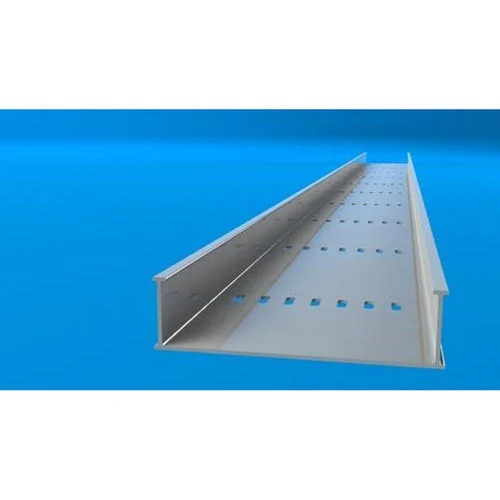
FAQ's of FRP Perforated Cable Tray:
Q: How is the FRP Perforated Cable Tray installed?
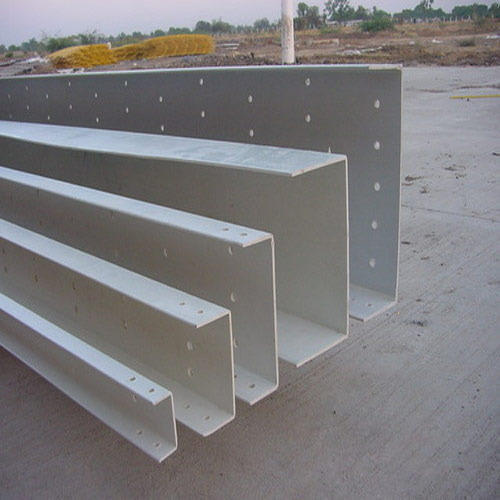
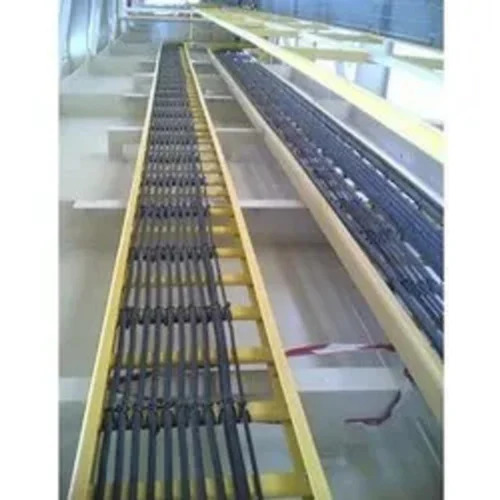
A: The FRP Perforated Cable Tray is installed using standard mounting brackets and supports, similar to conventional cable trays. Due to its lightweight FRP construction, handling and installation are easier, reducing labor time and costs.
Q: What makes FRP a suitable material for cable trays?
A: FRP (Fiber Reinforced Plastic) is chosen for its combination of strength, corrosion resistance, and electrical insulation properties. This makes it ideal for environments exposed to chemicals, moisture, or extreme temperatures.
Q: When should I choose an FRP cable tray over metal alternatives?
A: FRP cable trays are particularly beneficial in harsh, corrosive, or outdoor environments where metal trays may rust or degrade. They offer longevity and minimal maintenance, making them a cost-effective choice in challenging conditions.
Q: Where are your FRP Perforated Cable Trays manufactured and supplied?
A: Our FRP Perforated Cable Trays are manufactured and supplied in India, ensuring quick turnaround times and reliable local support for projects across the country.
Q: What is the process for customizing the tray color?
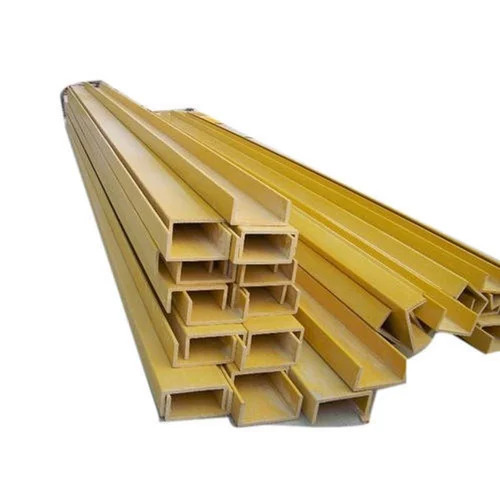
A: The color customization process involves integrating pigments during the manufacturing of FRP material, allowing us to deliver trays in any color specified by the client without affecting performance or durability.
Q: How does adherence to NEMA standards benefit tray usage?
A: Complying with NEMA standards ensures the cable tray can safely support specified loads and performs reliably under prescribed deflection limits. This provides peace of mind for engineers and installers using the product in demanding settings.
Q: What are the key benefits of using this cable tray in my project?
A: Key benefits include corrosion resistance, electrical insulation, light weight for easier installation, customizable color, and compliance with NEMA industry standards, resulting in a safer and more durable cable management system.



 Send Inquiry



 Send Inquiry
 Send Inquiry
 Send SMS
 Call Me Free


